Rooms act in different ways when you eliminate the difficult edges. You feel it promptly, also if you can not call it. The eye rests simpler. Motion slows. The space welcomes, rather than advises. Contours and soft sides are not a pattern obtained from a furniture brochure, they are a toolkit that transforms exactly how bodies browse a room and just how minds analyze it. After twenty years of developing houses and friendliness areas, I have actually found out that a distance right here and a softened account there can resolve practical problems with elegance: more secure blood circulation for youngsters and senior citizens, far better acoustics in echo-prone rooms, even more flexible light, and furniture that earns its maintain for longer than a season.
This is an overview for utilizing contours and soft sides as an interior enhancement, with practical detail and the subtlety to avoid costly bad moves. These ideas scale, whether you are dealing with a portable apartment or a vast open-plan home.
Why soft geometry works
Most interiors are a grid at heart. Walls satisfy at 90 degrees, furniture complies with. That rigidness makes intending uncomplicated, but it additionally produces aesthetic and responsive stress. Curves damage the grid, which does 3 points that matter in daily life.
First, curves affect flow. A rounded edge on a cooking area island or a serpentine sofa side reduces effect areas. In limited quarters, a radius of even 3 to 4 inches on a table makes shins happier. In retail and hotels, we use bigger arcs to overview flow subconsciously, drawing people past thresholds without signs. Residences take advantage of the exact same logic on a smaller sized scale.
Second, curves soften light. Difficult sides produce sharp shadows, which exaggerate clutter and fatigue the eye. Spherical millwork and curved lampshades blur the cutoff of light, creating ranks rather than tough lines. If you have an area with strong daylight on one side and deep darkness on the other, adding curved aspects in between them can alleviate the contrast.
Third, curves change sound. Identical aircrafts bounce power. Introducing curvature interrupts those straight-line representations. A fluted or scalloped wall, a bowed headboard, also a rounded rug under a glass table will certainly decrease slap echo. You will certainly not get studio-grade acoustics, yet you will certainly listen to the distinction, specifically in spaces with tough flooring.
Reading the area you currently have
Before you include a curved couch due to the fact that it's on your state of mind board, checked out the restraints. Spaces telegraph what they can handle.
Start with proportion. A grand arc in a narrow area feels theatrical up until you attempt to walk it. Consider your longest unobstructed dimension. Generally of thumb, the distance of the most noticeable contour must be no more than one third of that length. A 15-foot living room can approve a 4 to 5 foot distance on a banquette back or ceiling cove without swiping the show.
Consider ceiling elevation. Curves like upright area since they can breathe. In an 8-foot room, keep contours primarily horizontal or listed below eye level: rounded tabletops, alleviated kitchen counter sides, bullnose staircase footsteps. In 9 to 10 foot rooms, bring the distance up into the crown information or a gentle arch.
Check door swings and window mullions. If your architecture is Edwardian with slim muntins and crisp casings, a round modern-day sofa will appear like a trespasser. It can still work, but you will certainly need to echo soft geometry elsewhere, probably in an upholstered ottoman or rounded art structures, to make a bridge.
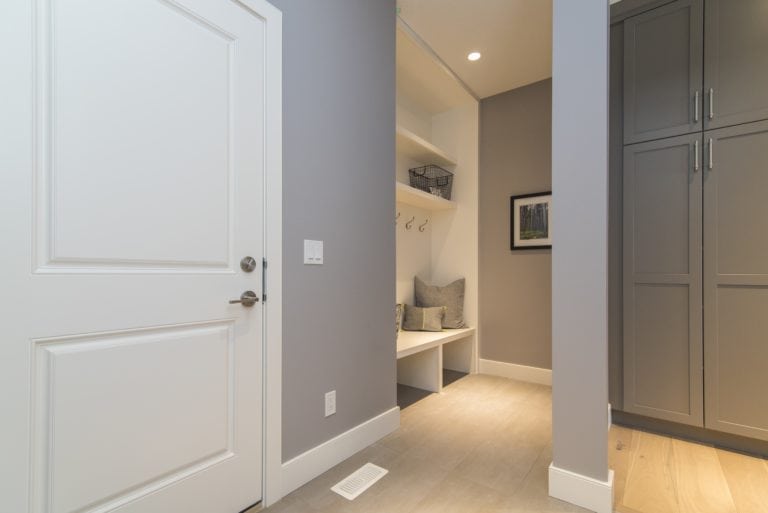
Assess sightlines. Contours bring in the eye. Utilize them to solve awkward sights, like a corridor that dead-ends into a restroom door. A coved particular niche with a plant or a small arched opening will change that end factor into a destination.
Choosing where to curve and where to keep straight lines
Not every surface requires a distance. The best rooms set up a calm rhythm, then deploy curves as accents or anchors. If every little thing is soft, absolutely nothing is. The inquiry is: where does a contour do the most work?
For cooking areas, soften the collision points. Islands that face active aisles gain from a radius on the seating side. A 2 inch distance really feels refined, while 3 to 4 inches reads as willful. If you have a within corner where individuals cut through, attempt a clipped or quarter-round base. Maintain boundary counters square for effective cutting and placement with appliances.
For living-room, prioritize the items that touch you. Sofas with rounded inside arms, footrests as opposed to sharp coffee tables, and lamp shades with dome accounts will certainly transform the experience also if the walls stay square. A curved carpet can separate a long, slim plan without losing beneficial flooring area.
For rooms, assume headboard and nightstand accounts. A rounded headboard softens a wall surface and decreases corner bumps during late-night phone fumbles. If you like a platform bed, define a reduced side on the frame. Nightstands with bullnose tops will certainly save your upper leg much more times than you can count.
For restrooms, surface satisfies function. Round over vanity sides and select mirrors with curved tops or pill shapes. Tiled arcs can be beautiful, but they are labor heavy. If you want the look without the customized expense, utilize a framed arched mirror and maintain tile rectangular. In showers, an integrated particular niche with a mild radius on the rack front sheds water far better and is kinder to elbows.
Materials and details that hold a curve
Not all materials bend willingly, and requiring them causes break lines and upkeep drama. The goal is to choose products that approve a radius without being coddled.
Solid-surface and stone. Engineered quartz and solid-surface items like Corian can be made with constant spans. Natural rock can be rounded, but great marbles chip if the span is limited. I rarely go tighter than a 1.5 inch distance on marble edges, and I ask producers to polish the underside expose so hands feel a continuous sweep. For islands, a demi-bullnose or alleviated pencil side balances resilience and a soft profile.
Wood. For furniture and millwork, long-grain bends far better than short-grain. If you require a limited curve on a closet door, consider bendable plywood layered right into a type, then veneered. Strong lumber can be steam-bent or kerf-cut, yet both approaches call for an experienced store. For site woodworking, straightforward radiused corners making use of joint compound over edge grain supply a great deal of gentleness for little cost.
Metal. Steel can be rolled right into radii with accuracy. Aluminum bends easily yet dents. Brass and bronze provide a mild glow to curves, particularly in takes care of and trim. If you desire a bent metal hand rails, define a wall surface clearance big enough for fingers, generally 1.5 inches, so the curve is not only beautiful but functional.
Plaster. Real bent plasterwork is transformative, and it is an art. Cove ceilings, bullnosed home window returns, or rounded bulkheads mix aircrafts without joints. Spending plan 20 to 30 percent much more labor than straight job. If you are operating in a dry climate, control treating with misting to avoid breaking along the curve.
Upholstery. Curved sofas and chairs count on secure frameworks and constant foam densities. The skin hides bumpy geometry for a month or 2, then the droop shows. Ask makers how they reinforce inside distances and what foam ILD they make use of throughout the contour. For durability in living spaces, a mix of 35 to 45 ILD foams layered from firm to soft holds a crisp silhouette without feeling rigid.
Scale, radius, and the human body
A contour can be mathematically excellent and still really feel wrong. Human scale is the anchor.
Hand. Anything you touch ought to approve fingers easily. Door pulls with a 1 to 1.25 inch diameter feel natural. Closet handles that step to 1.5 inches are generous without capturing pockets. If you are defining a rounded side on a countertop, run your hand under it. If the underside reduces into your fingertips, the profile is too thin.
Hip and knee. Table edges and island corners require forgiveness. A 3 inch span avoids sharp influences. For narrow flows, round tabletop corners or pick racetrack forms to keep circulation smooth.
Back and shoulder. Seats that wraps somewhat motivates longer stays. On a banquette, a back angle of 100 to 105 degrees with a mild radius at the lumbar area helps many bodies. Curved backs distribute stress better than flat backs.
Foot. Curved baseboards and toe kicks minimize scuff marks and toe stubs. A 1 inch radius on the base cap is plenty. In kitchen areas, a 3 inch deep bent toe kick allows you to stand closer to the counter without hitting your toes.
Eye. The eye chooses arcs that do not feel squeezed. In ceilings, stay clear of tight quarter-circles unless you are operating in conventional revival styles. Shallow coves and elliptical exerciser arcs learn more contemporary and rest easily with very little ornament.
Cost, craft, and what to DIY
Curves set you back greater than straight lines since they require skill and time. That does not suggest they are out of reach. The trick is to spend where it shows and save where you can.
DIY-friendly relocations consist of swapping a sharp coffee table for a round or racetrack oval, adding a rug with a soft overview, transforming out cyndrical tube tones for domes, and setting up rounded button plates or cover caps that decrease visual sound. You can likewise include pre-formed polyurethane or MDF coves and edge trims, after that paint them with the wall for a built-in look.
Mid-tier financial investments consist of replacing island or vanity counters with eased or bullnosed edges, getting a curved head board, or making use of bent cabinet draws that fit the hand. If you are changing drywall, request bullnose corner grain on chosen edges just. The product add is small, however the ending up time rises, so target centerpieces such as a fireplace chase or the staircase landing.
High-craft work belongs with professions that do it frequently. Real plaster coves, radiused cases, steam-bent handrails, bent built-ins, and tiled arches require design templates, perseverance, and the right tools. Anticipate a 15 to 40 percent costs over straight versions, depending upon radius and surface. I when valued 2 variations of an entrance hall workdesk: a crisp rectangular shape and a sweeping half-ellipse. Same materials, very same square footage of surface, the curved option priced 28 percent higher as a result of developing the substratum and bordering the stone. The client still picked the rounded desk. Individuals strolled in and grinned. That was the return.
Light, shadow, and shade on bent surfaces
Soft sides react in a different way to light than level airplanes. They show slopes. Use that to your advantage.
Paint. Matte and eggshell finishes conceal small defects on rounded wall surfaces better than satin or semi-gloss, which can telegram tool marks. If you are repainting a coved ceiling, shift the hue discreetly as opposed to the worth. A half-step warmer or cooler than the wall keeps the cove readable without a rough boundary line.
Color positioning. Curves gather darkness, so dark colors will certainly strengthen better. That can be remarkable on a bowed particular niche or an arched entrance. For a studio apartment, keep the bulk of bent surface areas in light to mid tones, and get saturated shades for smaller arcs like a side table or lamp.
Lighting. Wall surface grazers are superb for scalloped or fluted walls but harsh on careless plaster. In bed rooms, a pair of dome https://www.yelp.com/biz/ondemand-painters-chicago-chicago-2 sconces at 60 to 66 inches off the floor casts soft arcs of light that flatter curved headboards. In cooking areas, necklaces with rounded diffusers prevent the spotty glow of bare bulbs over a curved island edge.
Reflections. Glossy curves mirror surroundings like funhouse glass. If you pick high-gloss lacquer on rounded millwork, see to it what it mirrors is willful, and anticipate to keep it. Fingerprints show.
Curves for security and accessibility
Soft edges matter for greater than look and feel. They can avoid injury and extend independence.
For households with kids, radiused edges on coffee tables cut emergency situation sees. I maintained a customer's table to life with three children by wrapping a detachable neoprene edge around it for the very early years, then subjecting the strong walnut when consistent legs were the standard. The softened profile beneath stayed helpful.
For aging-in-place upgrades, consider rounded sides on countertops, get hold of bars with curved profiles that fit the hand, and curved transitions at flooring limits that lower trip dangers. In limited bathrooms, a rounded vanity corner can make a mobility device transfer convenient. Go for a minimum 32 inch clear flow, and round the barrier because room. These little steps maintain dignity and function.
For sight-impaired users, constant contours can be a sign. An arched doorway constantly suggests restroom. A dome color constantly marks a reading spot. Tactile uniformity amounts to confidence.
Working with existing architecture
Most homes were not constructed with curves in mind. They can still benefit. The technique is respecting your house's language.
Modern boxes. In a minimal, rectilinear shell, use curves as spelling. A single arched opening in between the kitchen area and dining room, a round table, and a bent sectional draw people right into the facility of the space. Maintain walls and cases crisp for contrast.
Pre-war apartment or condos. These usually have plaster details. Revitalize them with fresh radiused edges where wall surfaces were patched square in time. Replace one square cased opening with a shallow arc matching existing accounts. If budget is limited, achieve softness with fabrics: scalloped trims on drapes, rounded strengthen pillows, and curved bedside lamps.
Suburban building contractor homes. These can feel boxy. Beginning with furniture and illumination. Swap the default square island lights for dome pendants, choose a racetrack dining table over a rectangle, and choose equipment easily profiles. Later, if you renovate, add a single coved ceiling in the access or family room to change the very first impression.
Historic resurgence styles. Spanish and Mediterranean homes welcome true arcs and scallops. Craftsman and Colonial homes respond much better to subtle distances in furnishings and stair information instead of overt arcs that contravene the vocabulary. Echo the soft edge in the hand rails account, not the opening shape.
Mistakes I see and how to avoid them
Over-curving. Not every component ought to be rounded. Set contours with straights so the eye can rest. If the sofa, coffee table, rug, lamps, and art all attribute circles, the space sheds structure.
Tight radii in inexpensive materials. Laminate wrapped around a 1 inch radius will peel and chip at the joint. If you require a tight contour with economic situation products, sector it into elements and accept the geometry, or loosen up the radius.
Ignoring clearance. Bent pieces still occupy space. A crescent couch often requires more space than its rectangle-shaped relative. Tape the impact and stroll the course before ordering.
Curves without objective. Pretty for quite does not last. Ask what trouble the curve resolves. If the response is none, hold back.
Unfinished sides. A rounded account draws hands. If the bottom feels harsh or the paint line wobbles, it will certainly disappoint. Designate time for completing. It is not a punch-list item; it is the face of the work.
Quick paths to a softer room
If you desire influence without improvement, concentrate on pieces that you make use of daily which rest near flow paths.
- Swap a rectangular coffee table for a round or racetrack oval, and select a soft-edge rug beneath to strengthen the shape. Replace sharp light shades with domes or globes, after that transfer lights to graze walls and reveal the gradient. Add a curved head board or rounded nightstands to the main bed room for nighttime comfort. Install rounded cupboard equipment and door bars that fit the hand, not just the eye. Use a big round mirror in an entry to damage the procession of straight lines at the door.
A case tale from the field
A couple of years back, a family members asked me to tune a long, slim living and dining room that functioned as a play room. The original plan had a rectangle-shaped table imitating a barricade. Individuals hugged the walls to pass, and the area echoed when the kids played. The spending plan was small, around 12,000 for furnishings and coatings, no construction.
We started with a 72 by 38 inch racetrack table. That curve alone released 6 to 8 inches in the crucial pinch point. We replaced the sharp coffee table with a 36 inch round upholstered footrest in a stain-resistant textile. Light choices switched over from cylinders to globes, and we included a rounded woollen carpet under the dining table. The only wall surface move was a pill-shaped cork board for youngsters' art.
Acoustics boosted more than anticipated since the upholstered footrest absorbed mid regularities and the round carpet scattered representations. Knee bruises disappeared. The area looked softer, yes, however extra significantly, it felt much easier to reside in. The family members's course through the room came to be a gentle S as opposed to a collection of close to misses.
Total spend for the curved elements was under 5,000. That is genuine worth: indoor improvement achieved by improving everyday touchpoints rather than relocating walls.
Sustainability and longevity
Curves are not disposable layout if you develop them attentively. Long after trend cycles go on, a comfort-forward radius remains to serve.
Durable coatings issue. Pick solid woods that can be redecorated rather than veneers at high-wear edges. Define exchangeable tones on bent lamps. Select materials with at the very least 30,000 double rubs for seating, and prioritize all-natural fibers or top notch efficiency blends that can be cleaned up rather than replaced.
Think modular. A bent sectional in different wedges can reconfigure as life adjustments. A rounded bench with a different pillow can be reupholstered without touching the millwork. If you buy integrated curves, make them foundational, such as a coved ceiling or bullnosed wall side, rather than hyper-specific like a niche sized just for a certain speaker.
Avoid uniqueness distances that chase after an appearance rather than a need. You can admire a scalloped backsplash online and after that tire of cleansing it in month six. The curves that mature well are the ones your body and eye desire every day.
How to talk to trades about curves
Language matters when you brief a contractor or fabricator. Words like "soft" and "rounded" are subjective. Drawings and numbers decrease friction.
Provide a centerline distance or a profile recommendation. If you like the edge on an example, gauge it or bring the example. For plaster coves, specify the increase and run. For millwork, ask if the shop will build a theme, then keep it for future repairs.
Ask concerning sequencing. Curves commonly change the order of procedures on website. A coved ceiling may need electric rough-in to readjust before the contour is formed. A bent kitchen counter side might change the sink intermediary. If you are the one collaborating, construct in a barrier week for mockups and approvals.
Expect mockups. Good stores will certainly propose an example segment of a curve. Authorize by touch as long as by eye. The hand is the final critic.
When straights are better
There are times to say no to curves. Limited kitchens with galley formats count on sharp edges for functional counter width. A sharp edge at a cutting zone is efficient. If you cook a great deal, you might soften just the seating side. In a home office where paper heaps and tools demand tidy boundaries, a rectangle-shaped workdesk maintains you honest. In tall rooms with solid upright lines, like a collection with ladder rails, presenting too many curves can feel sentimental. Utilize a single curved ladder rail top or a rounded analysis chair, after that stop.
The factor is equilibrium. Curves are effective. They are entitled to a context and a partner.
Bringing it all together
Soft geometry is not a style even a means to improve just how an interior works. Begin with the moments of call, after that address circulation and light. Choose materials that welcome a span. Invest where hands and eyes land, save money where contours are history. Keep one eye on percentage and the various other purposefully. When unsure, attract it, simulated it, and touch it.
If you have ever before viewed a youngster round a curved island at full tilt without sobbing, or alleviated past a table edge without the familiar brush of textile catching a sharp edge, you understand why this issues. Interiors are lived at the scale of the body. Curves satisfy the body midway, and the whole area behaves much better for it.
And a final note on perseverance. Curves ask even more of the craft. Drywallers feather much longer, fabricators sand more, upholsterers bother seams. Give them time. The outcome is a space that feels calm when you go into and kind as you move via it. That is the kind of indoor improvement that earns its keep, day after day, year after year.